Thinking About Buying a Short-Term Rental? Here's How to Know if It Will Actually Perform
Before You Buy an STR, Analyze It Like an Investor.
Buying a short-term rental is exciting.
Whether you've been dreaming about owning a cabin in the Smoky Mountains, adding another investment property to your portfolio, or purchasing a vacation home that can generate income while you're away, it's easy to become emotionally attached to a property.
Beautiful kitchens.
Mountain views.
Luxury furnishings.
A river flowing just outside the balcony.
Those features absolutely matter.
But here's the question every investor should ask before writing an offer:
Will this property actually perform the way I need it to?
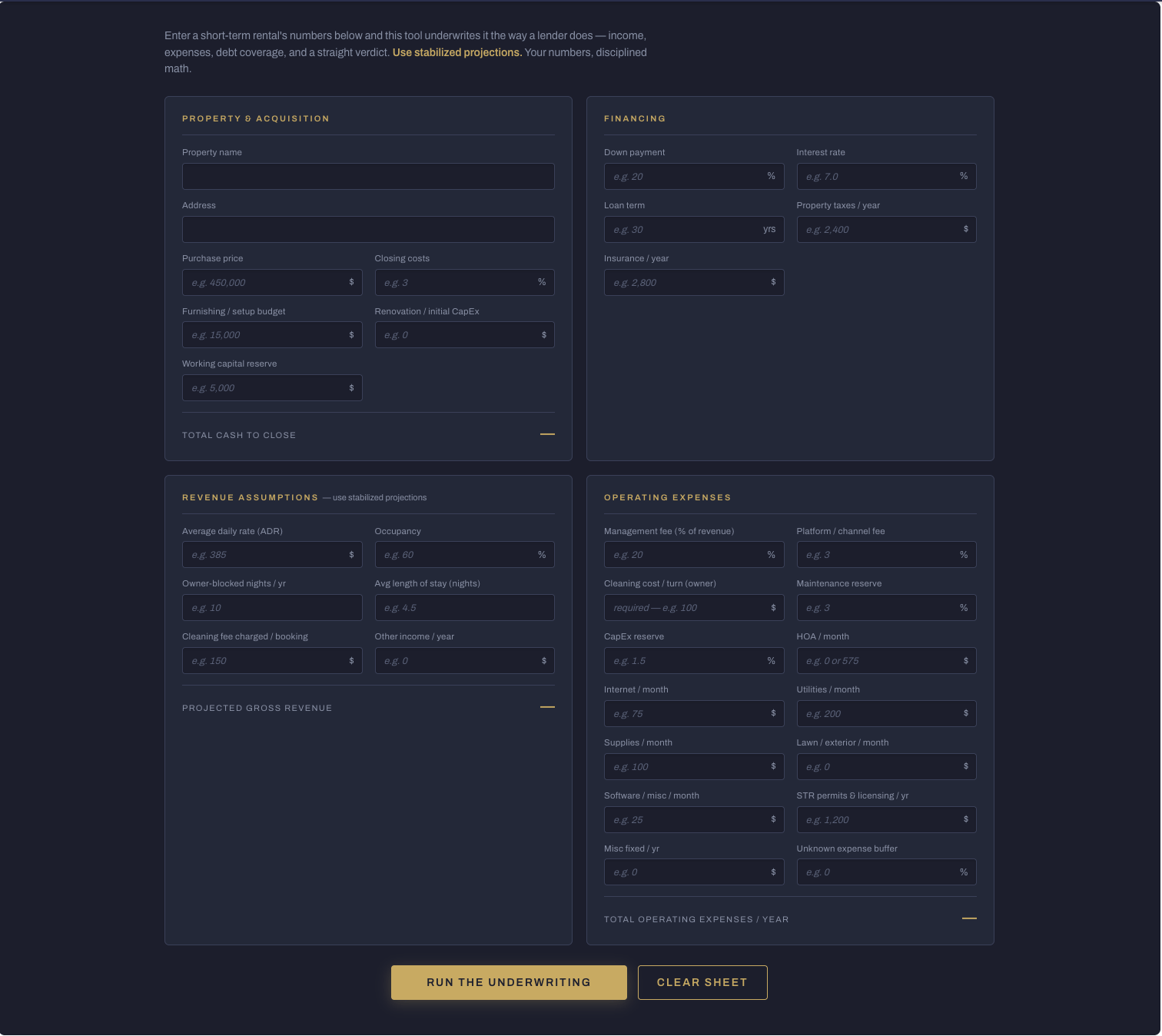
That question is exactly why I built the SCALE Property Analyzer.
After years of helping buyers evaluate investment properties throughout East Tennessee, I realized most people were piecing together information from dozens of different sources. Revenue projections from one website. Mortgage calculators from another. AirDNA reports. Property manager estimates. Spreadsheets. Notes scribbled on legal pads.
Everyone was trying to answer the same question, but nobody had a consistent framework for evaluating an investment.
The SCALE Property Analyzer was built to solve that problem.
Rather than relying on guesswork, it organizes the financial assumptions that matter most and instantly generates an investment summary designed to help buyers better understand a property's income potential before making one of the largest financial decisions of their lives.
👉 Analyze Your Next Investment Property with the SCALE Property Analyzer
Every Property Has a Story. The Numbers Tell You Whether It's Worth Buying.
One of the biggest misconceptions in the short-term rental industry is that there is a magic number that determines whether a property is a good investment.
There isn't.
Professional investors don't rely on one metric.
They evaluate dozens of variables working together.
What is the realistic average daily rate?
How often should the property be occupied?
What are the operating expenses?
How much should be reserved for maintenance and future capital improvements?
Will the income comfortably cover the mortgage?
What happens if occupancy drops during slower tourism cycles?
What occupancy rate is required just to break even?
Those questions matter far more than whether a property has granite countertops or a hot tub.
That's exactly how lenders evaluate investment properties.
It's also how experienced investors evaluate risk.
The goal isn't to predict the future.
The goal is to make the most informed decision possible using realistic assumptions supported by market data.
Let's Analyze a Real Investment Property
Rather than creating a hypothetical example, let's walk through an actual property currently on the market.
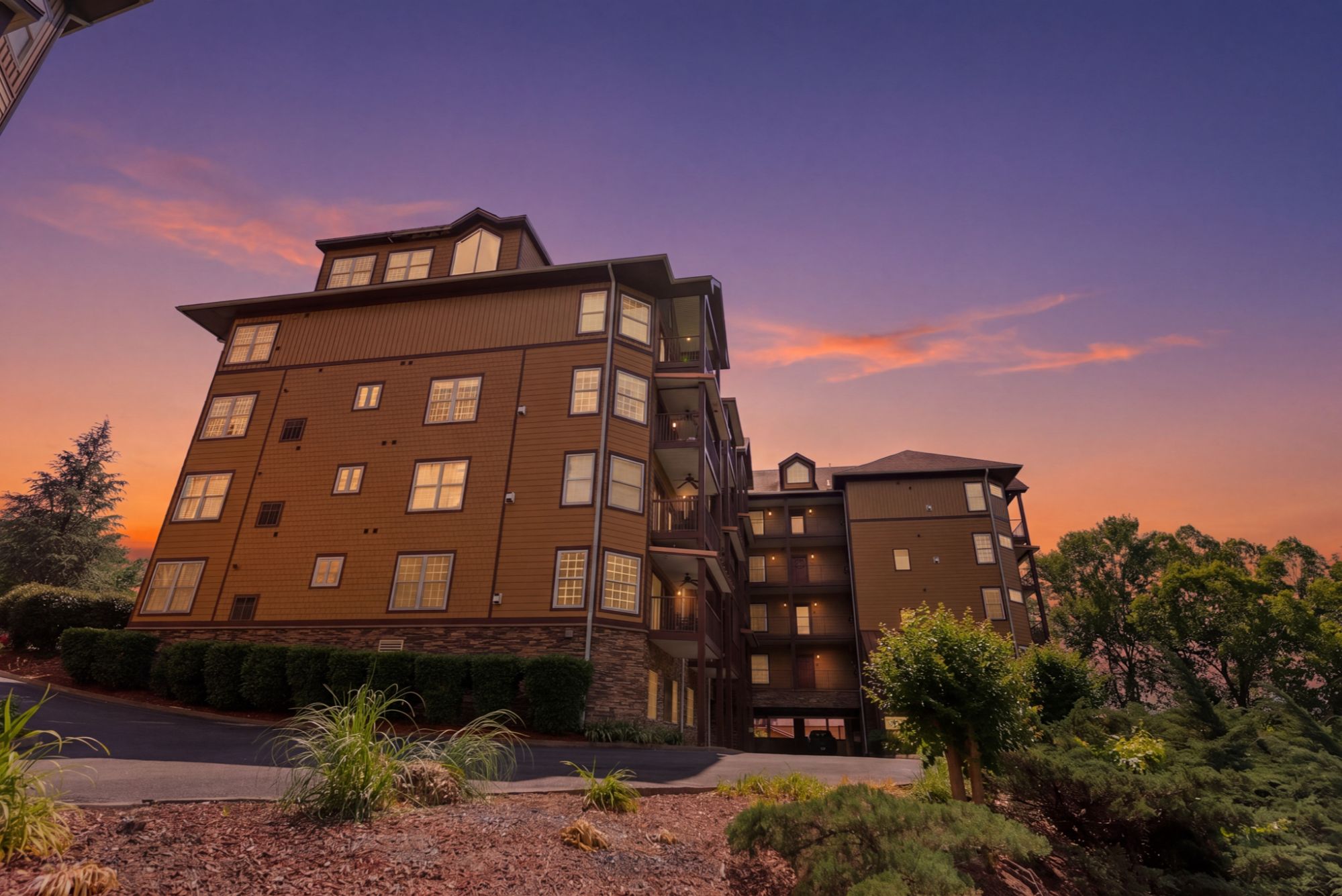
527 River Place Way, Unit 546
Sevierville, Tennessee
👉 View the Complete Listing Here
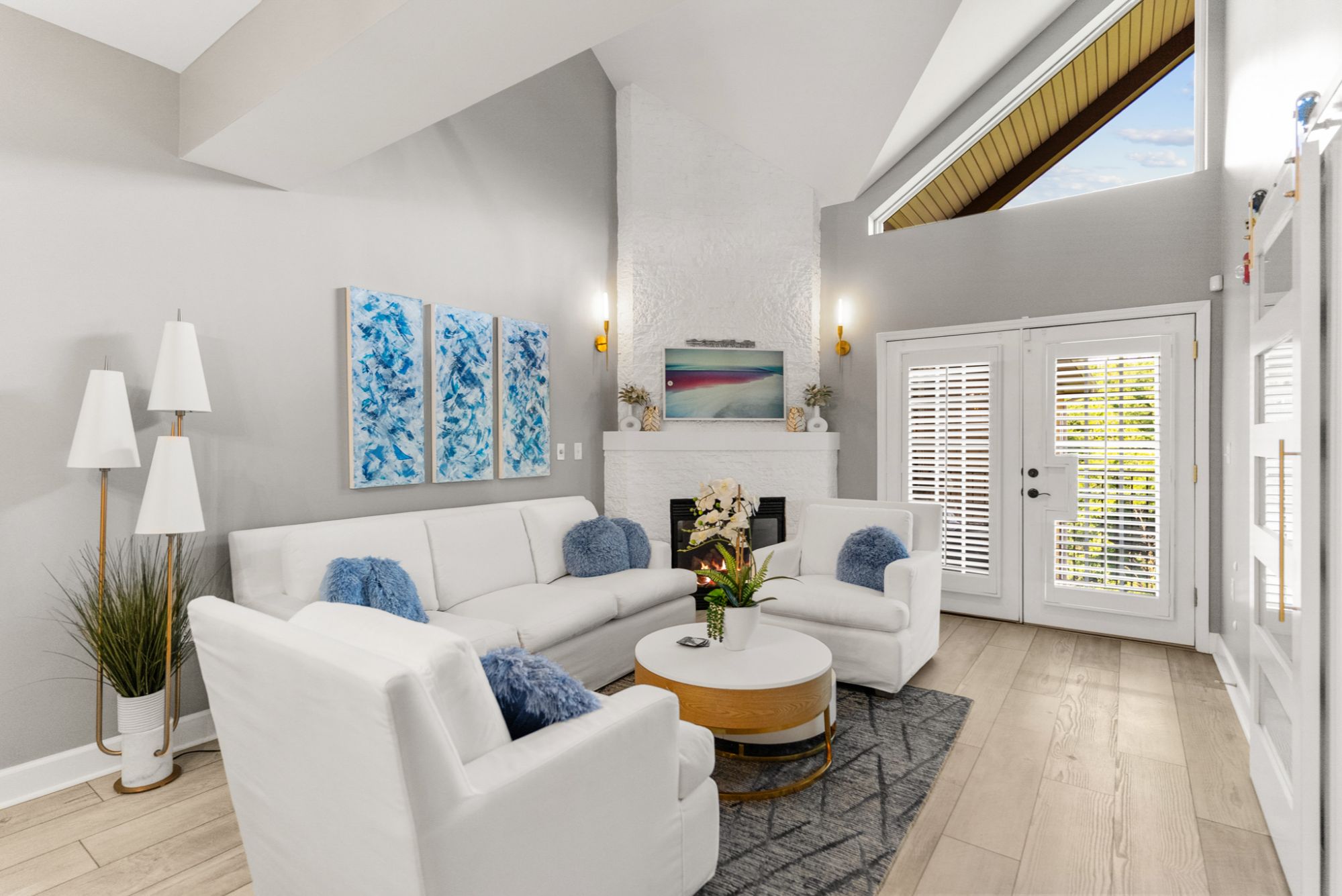
This isn't simply a beautiful riverfront condominium.
It's also the perfect opportunity to demonstrate how the analyzer works using real numbers, real assumptions, and an actual investment report.
Step One: Start with the Acquisition
Every investment begins with understanding the purchase itself.
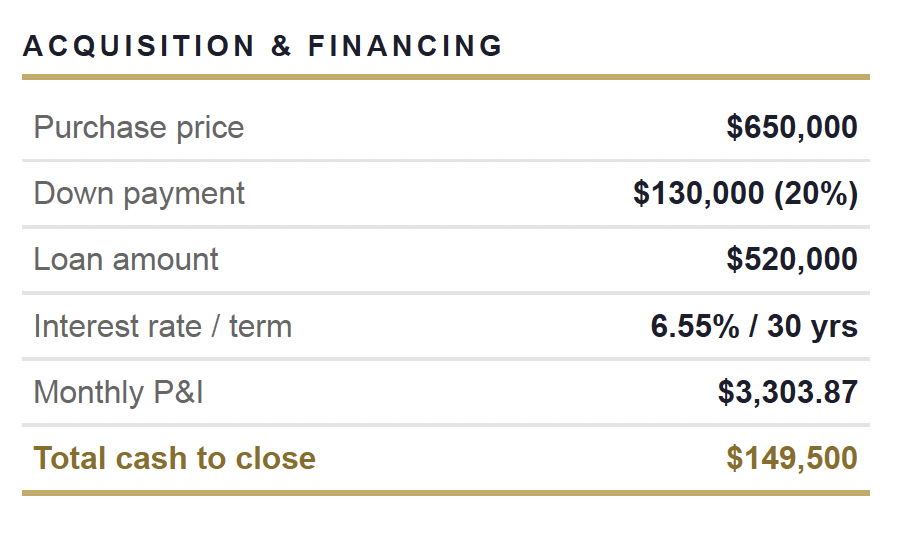
For this example, the purchase assumptions entered into the SCALE Property Analyzer were:
- Purchase Price: $650,000
- Down Payment: 20%
- Loan Amount: $520,000
- Interest Rate: 6.55%
- Loan Term: 30 Years
- Property Taxes: $1,124 annually
- Insurance: $2,500 annually
After including estimated closing costs, the projected cash required to close is approximately $149,500.
This isn't simply a financing exercise.
Knowing your total investment upfront allows you to calculate one of the most important measurements in real estate investing—your return on invested cash.
Step Two: Build Realistic Revenue Assumptions
Revenue projections should never be based on hope.
They should be based on market research.
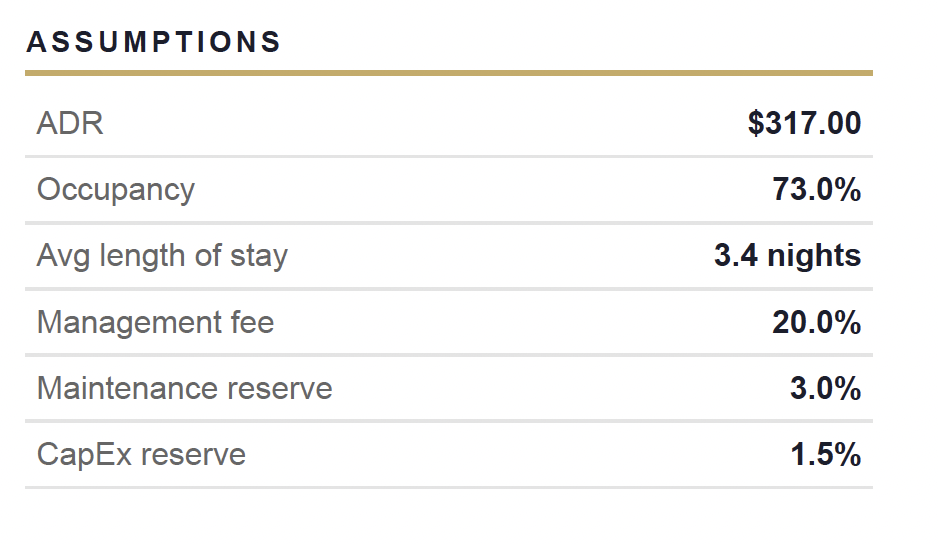
For this analysis, the following stabilized assumptions were used:
Average Daily Rate (ADR): $317
Occupancy: 73%
Average Length of Stay: 3.4 Nights
Owner Usage: 10 Nights Per Year
Those assumptions generate projected annual gross rental revenue of $82,151.
What's especially encouraging is that these assumptions closely mirror the independent market analysis completed by iTrip | Mountain Valet. Their "most likely" scenario projects approximately 73% occupancy and $82,120 in annual gross revenue, reinforcing that the analyzer's assumptions are grounded in current market conditions rather than optimistic speculation.
This type of validation matters.
When multiple independent analyses arrive at similar conclusions, investors can move forward with greater confidence.
Step Three: Expenses Matter More Than Most Investors Realize
One of the easiest ways to overestimate an investment property's performance is to underestimate its operating expenses.
Gross revenue tells only part of the story.
Net income is what actually pays the mortgage and generates returns.
For this analysis, the following operating assumptions were included:
- Professional Management: 20%
- HOA Dues: $470 per month
- Utilities: $125 per month
- Supplies: $100 per month
- Maintenance Reserve: 3%
- Capital Improvement Reserve: 1.5%
When all anticipated operating expenses are combined, the property is projected to incur approximately $30,859 in annual operating expenses.
Many buyers focus almost entirely on revenue projections.
Experienced investors spend just as much time understanding expenses because small changes in operating costs can dramatically influence profitability over the life of the investment.
Step Four: The Investment Report
Once the assumptions have been entered, the analyzer generates an investment summary that brings every piece of the financial picture together.
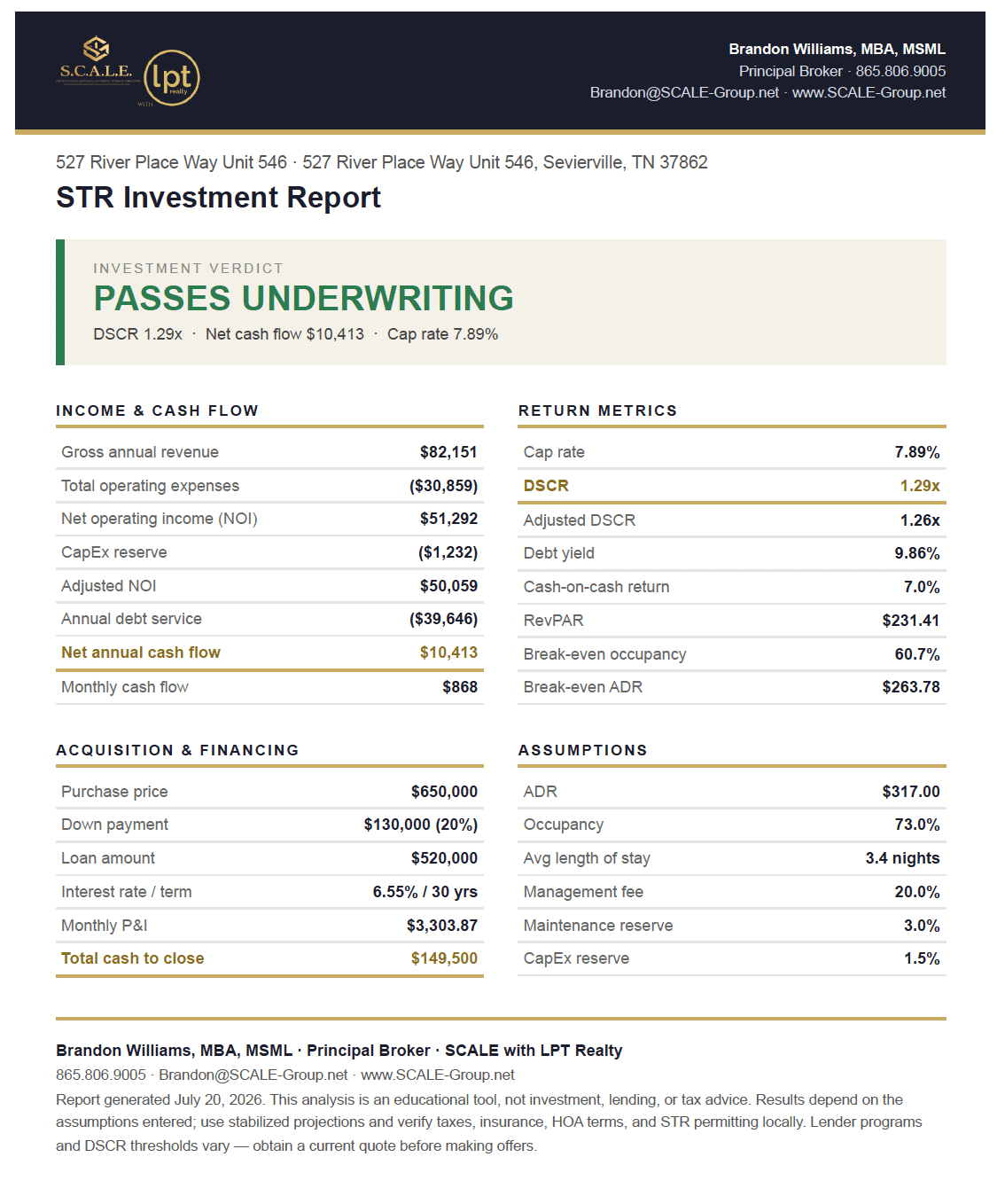
For 527 River Place Way, Unit 546, the analyzer reached the following conclusion:
Investment Verdict: PASSES UNDERWRITING
That's significant.
It doesn't mean the property is guaranteed to succeed.
It means that, based on the assumptions entered, the investment demonstrates characteristics lenders and experienced investors generally look for when evaluating income-producing real estate.
The report projects:
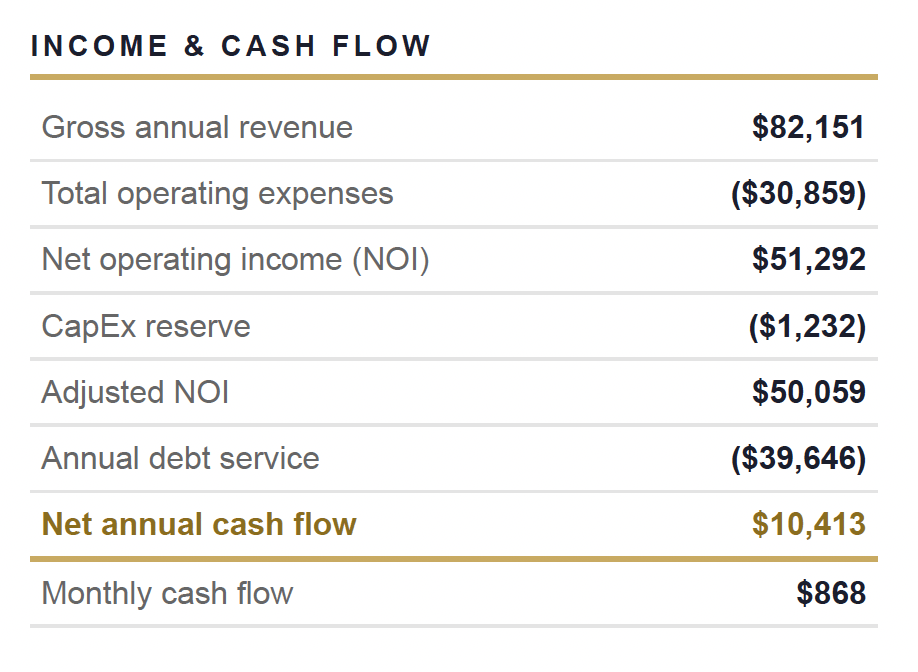
- Gross Annual Revenue: $82,151
- Net Operating Income (NOI): $51,292
- Adjusted NOI: $50,059
- Annual Debt Service: $39,646
- Net Annual Cash Flow: $10,413
- Monthly Cash Flow: $868
- Cap Rate: 7.89%
- DSCR: 1.29
- Cash-on-Cash Return: 7.0%
- Break-Even Occupancy: 60.7%
- Break-Even ADR: $263.78
These numbers begin telling the real story of the investment—not just whether it rents well, but whether it has the potential to perform as a business.
Full Report
If you'd like to analyze your own potential STR investment please use my FREE SCALE ANALYZER! Once completed I'd love to discuss how it performs and consult with you on your goals. The amazing part, it doesn't matter where your investment is located. The form works!
Categories
Recent Posts







GET MORE INFORMATION