The Forever Home Was Never About the House
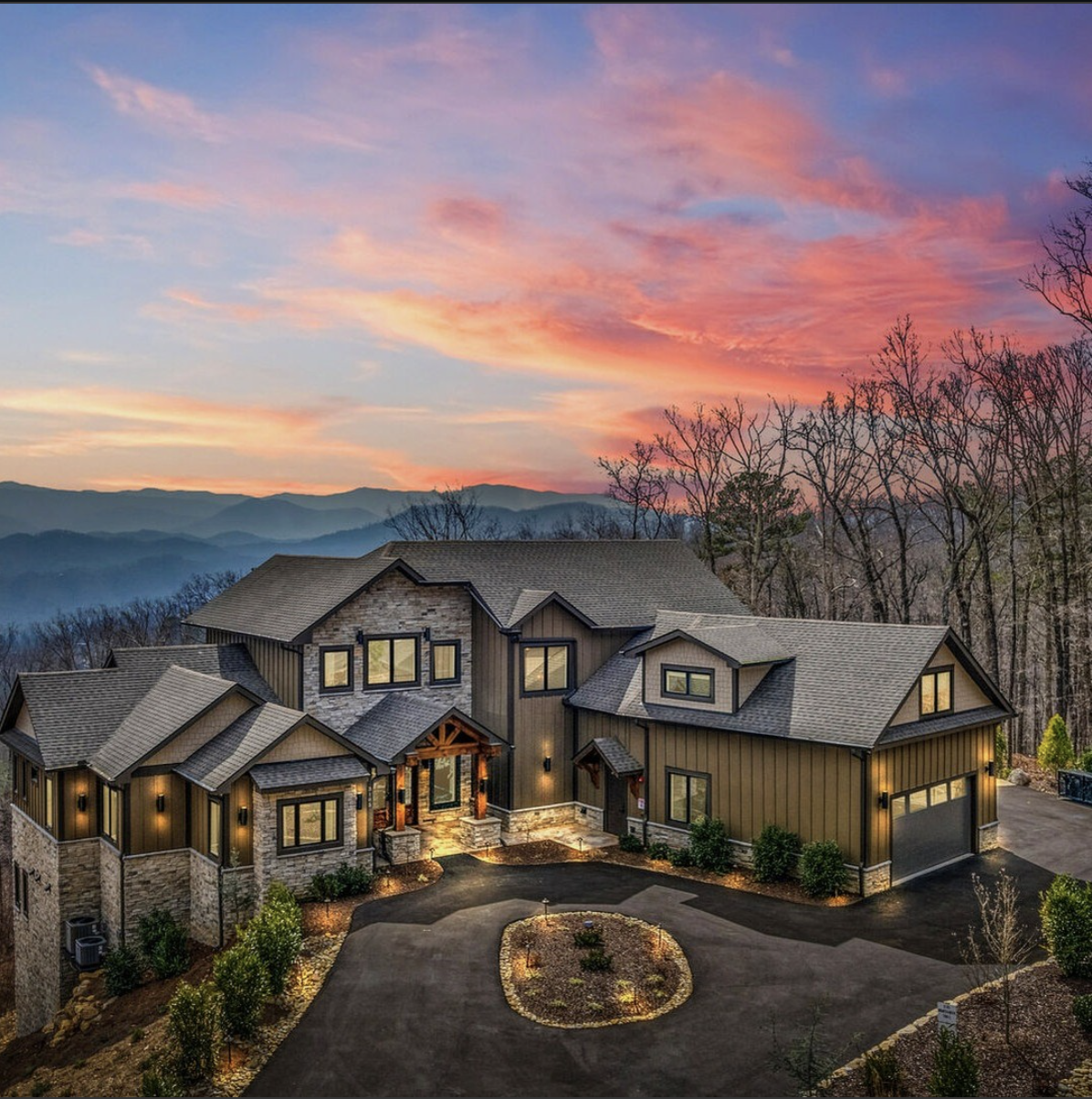
For generations, the American Dream followed a familiar path.
Graduate. Build a career. Buy a starter home. Upgrade as your family grows. Eventually purchase the forever home.
It was a simple idea rooted in stability. The forever home wasn't just where people lived—it was where children were raised, milestones were celebrated, and memories accumulated over decades. The house itself became the symbol of success.
But somewhere along the way, something changed.
Not because people stopped wanting a place to call home. Instead, the definition of home quietly evolved. Careers became less predictable. Technology untethered millions of people from traditional offices. Families became more mobile. Retirement became longer and more active. Life stopped following a straight line.
As a result, many buyers began asking a different question.
Instead of asking, "Where do I want to spend the rest of my life?" they began asking, "What kind of life do I want my property to make possible?"
That subtle shift has changed the way thoughtful buyers evaluate real estate.
The forever home was never really about the house.
It was always about the life ownership creates.
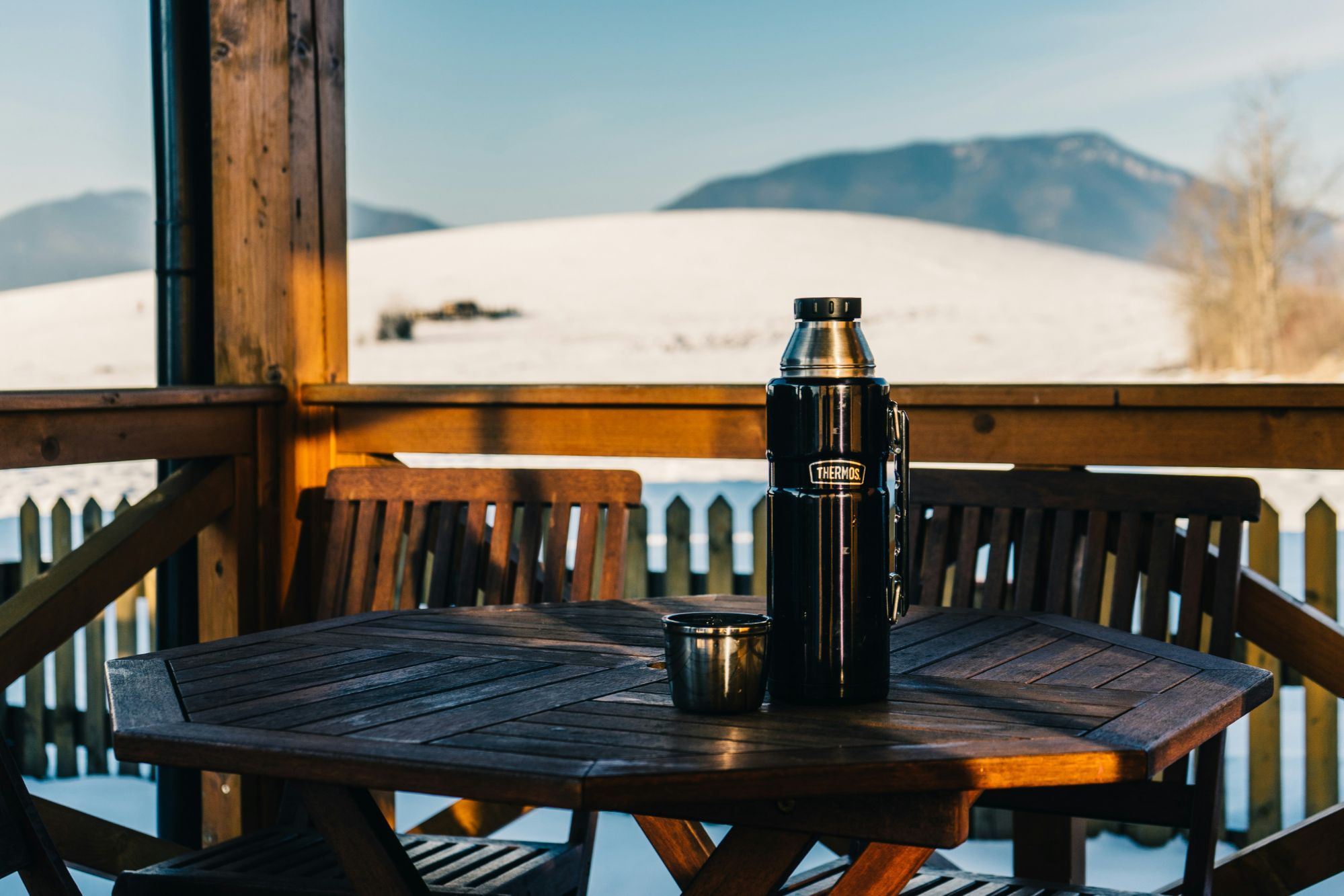
Home Is No Longer Just an Address
A generation ago, most homes served a single purpose.
People slept there, ate dinner there, and left each morning to spend their days somewhere else.
Today, one property may function as a residence, office, gathering place, investment, retreat, classroom, and vacation destination—all within the same week.
That transformation has fundamentally changed what buyers value.
Square footage still matters.
Location still matters.
But flexibility has become equally important.
Can the property adapt if life changes?
Can aging parents comfortably visit—or even live there?
Can grandchildren gather without everyone feeling crowded?
Could the property generate income if circumstances change?
Could it become a place to retire rather than simply a place to live?
Those aren't questions about granite countertops or paint colors.
They're questions about freedom.

The Return of Legacy
One of the most interesting shifts happening in real estate isn't financial.
It's emotional.
More families are beginning to think beyond the next purchase and instead consider what they will leave behind.
Land and thoughtfully chosen properties have always represented something larger than shelter. They become places where traditions are established, where children learn to fish, where grandchildren spend summers, and where multiple generations gather around the same table year after year.
The greatest value of a property is often measured long after closing day.
Some homes appreciate financially.
The best properties appreciate personally.
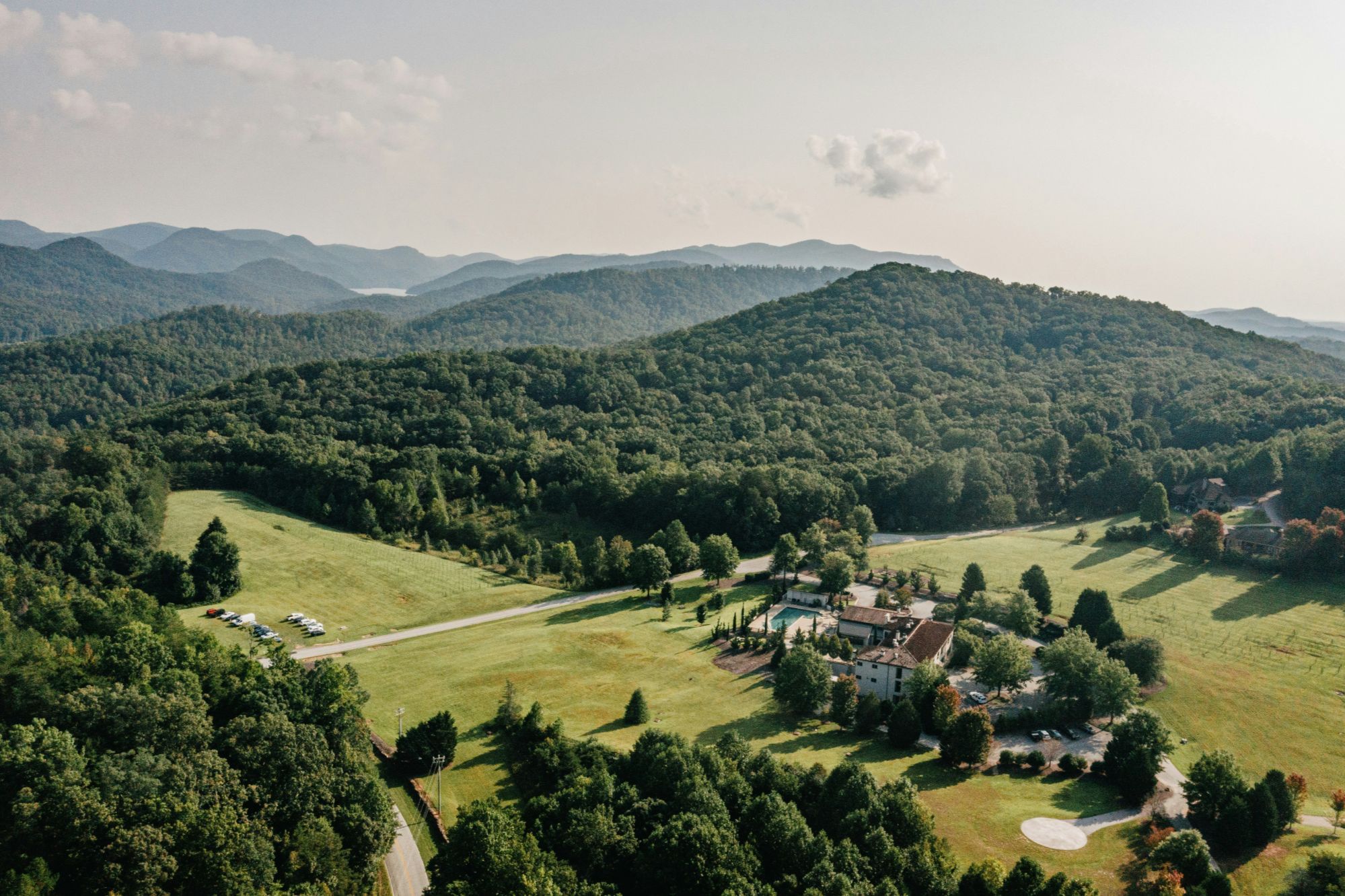
Why Freedom Has Become the New Luxury
Luxury has traditionally been measured by size.
Larger homes.
More amenities.
More impressive finishes.
Today's buyers increasingly define luxury differently.
Privacy.
Space.
Time.
The ability to disconnect.
The ability to gather family without sacrificing comfort.
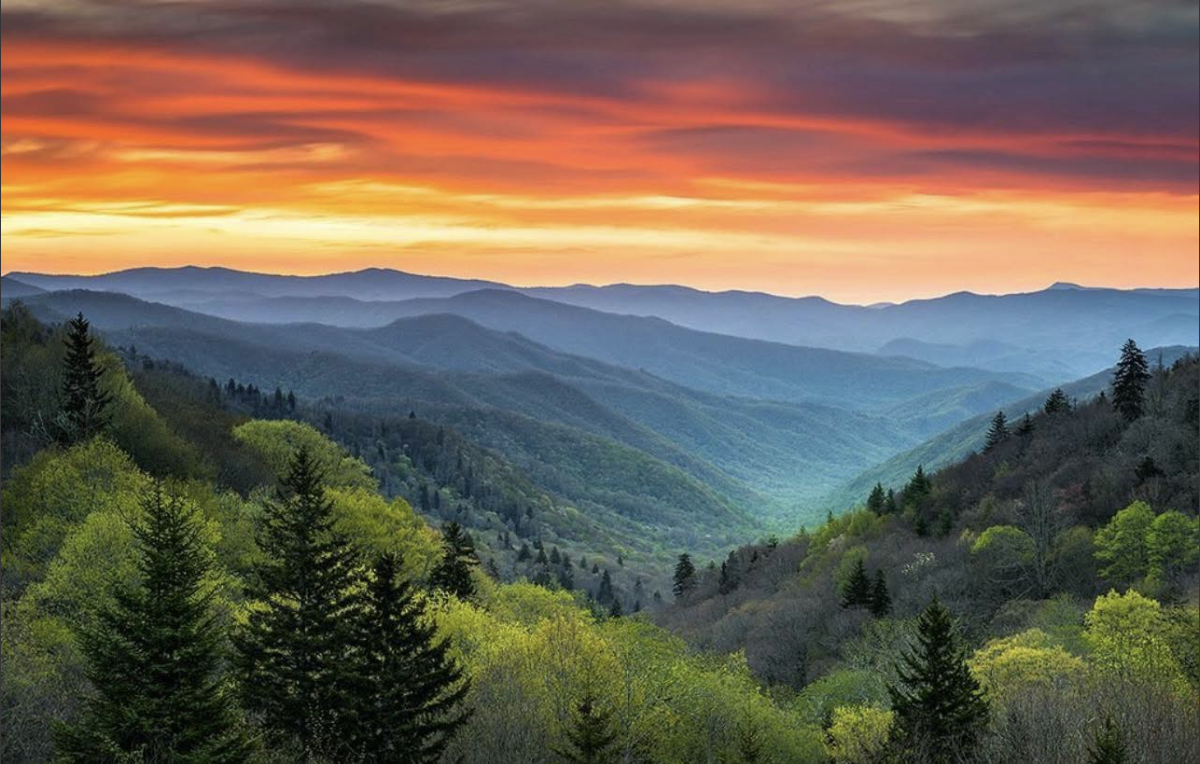
The ability to wake up to mountain views instead of neighboring rooftops.
Perhaps most importantly, they value the freedom to adapt the property as life evolves.
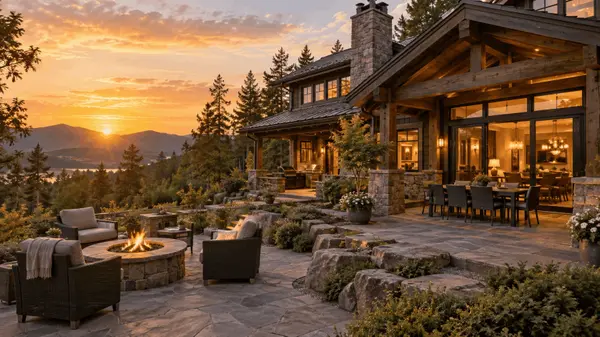
A thoughtfully positioned home on meaningful acreage can become a retirement retreat, a family compound, a recreational escape, or even a hospitality investment. The same property may serve several of those purposes throughout its lifetime.
That kind of flexibility is difficult to assign a dollar value to.
Yet it may be one of the most valuable characteristics a property can possess.
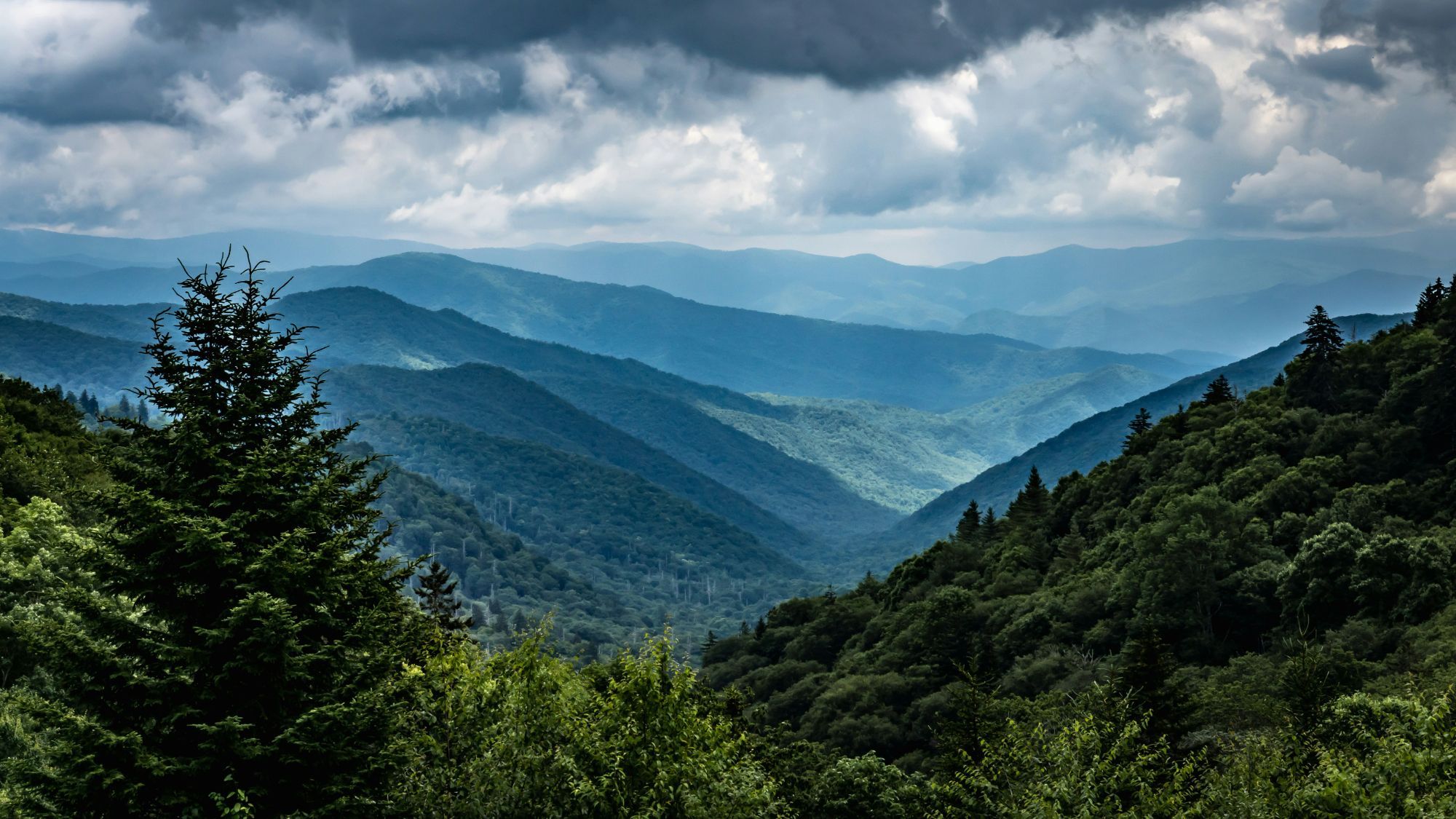
Why Some Buyers Think Differently
Most people shop for houses.
Experienced buyers often shop for opportunities.
They look beyond finishes and begin evaluating things that cannot easily be changed.
The surrounding land.
The setting.
The views.
The privacy.
Future development around the property.
Potential income opportunities.
The ability to preserve options.
Those characteristics often become more valuable over time because they are increasingly difficult to recreate.
A kitchen can be remodeled.
A mountain view cannot.
A bathroom can be expanded.
Privacy cannot be manufactured after surrounding land has been developed.
The strongest long-term real estate decisions are often made by buyers who recognize that distinction.
Final Thoughts
The forever home isn't disappearing.
It's simply becoming more intentional.
Buyers are placing greater value on experiences than excess, flexibility than permanence, and ownership than square footage.
That doesn't mean everyone needs hundreds of acres or a mountain estate.
It means people are beginning to evaluate real estate through a different lens.
Not just for what it is today.
But for what it allows tomorrow.
Whether that future includes retirement, family gatherings, remote work, recreation, hospitality, or simply the quiet satisfaction of owning a place that adapts as life changes, the strongest properties share one characteristic.
They preserve choices.
Because in the end, the forever home was never really about the house.
It was always about the freedom to build the life you wanted around it.
Categories
Recent Posts


GET MORE INFORMATION