Why Everyone Wants a Home Office... But They're Really Looking for Something Else
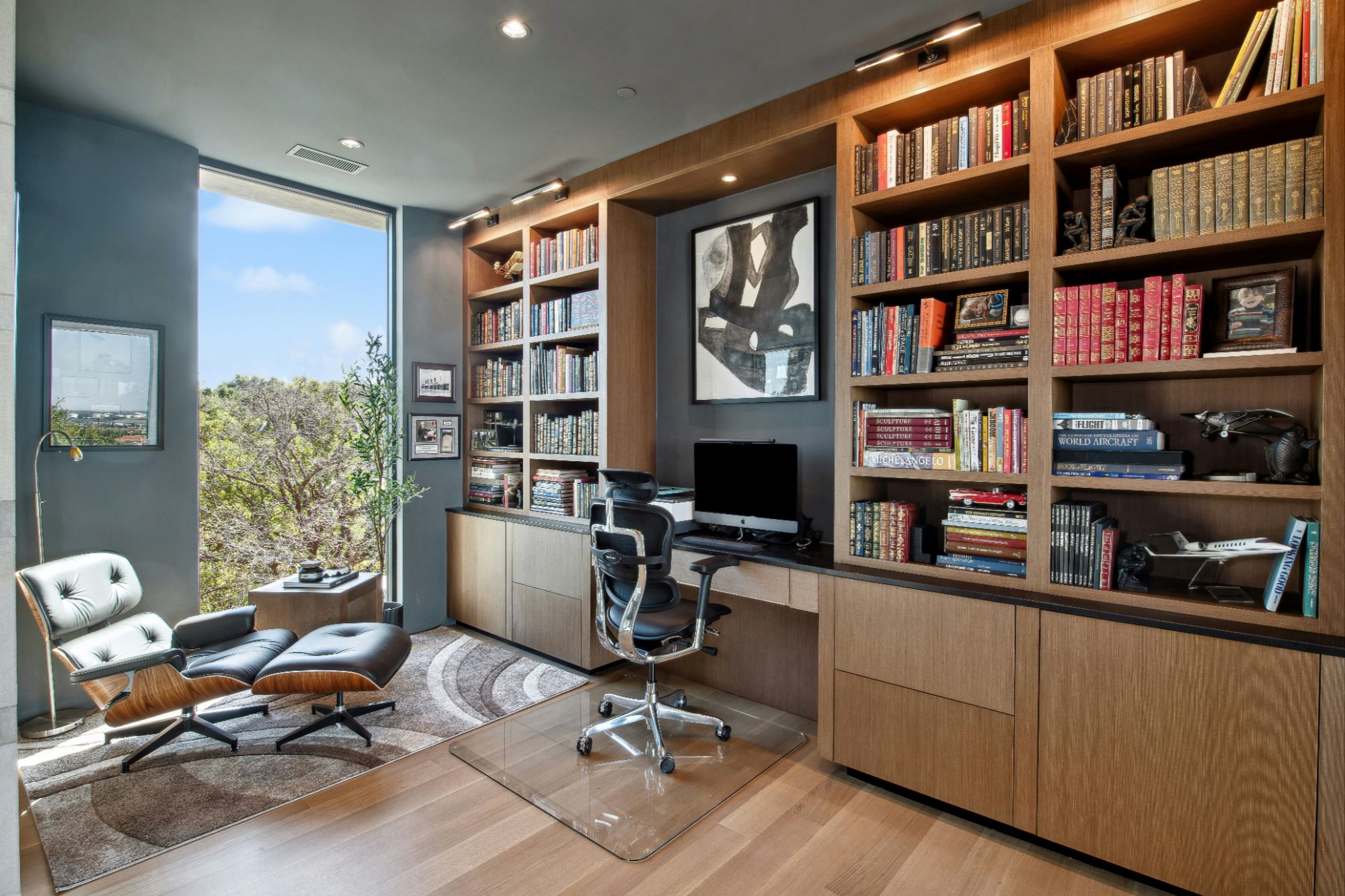
A few years ago, if you had asked most buyers whether a home office was important, the answer probably would have been simple.
"It would be nice."
Today, it's one of the most requested features in residential real estate.
At least, that's what buyers say.
But after countless conversations with clients over the years, I've become convinced that most people aren't actually looking for a home office.
They're looking for flexibility.
The office simply happens to be the easiest way to describe it.
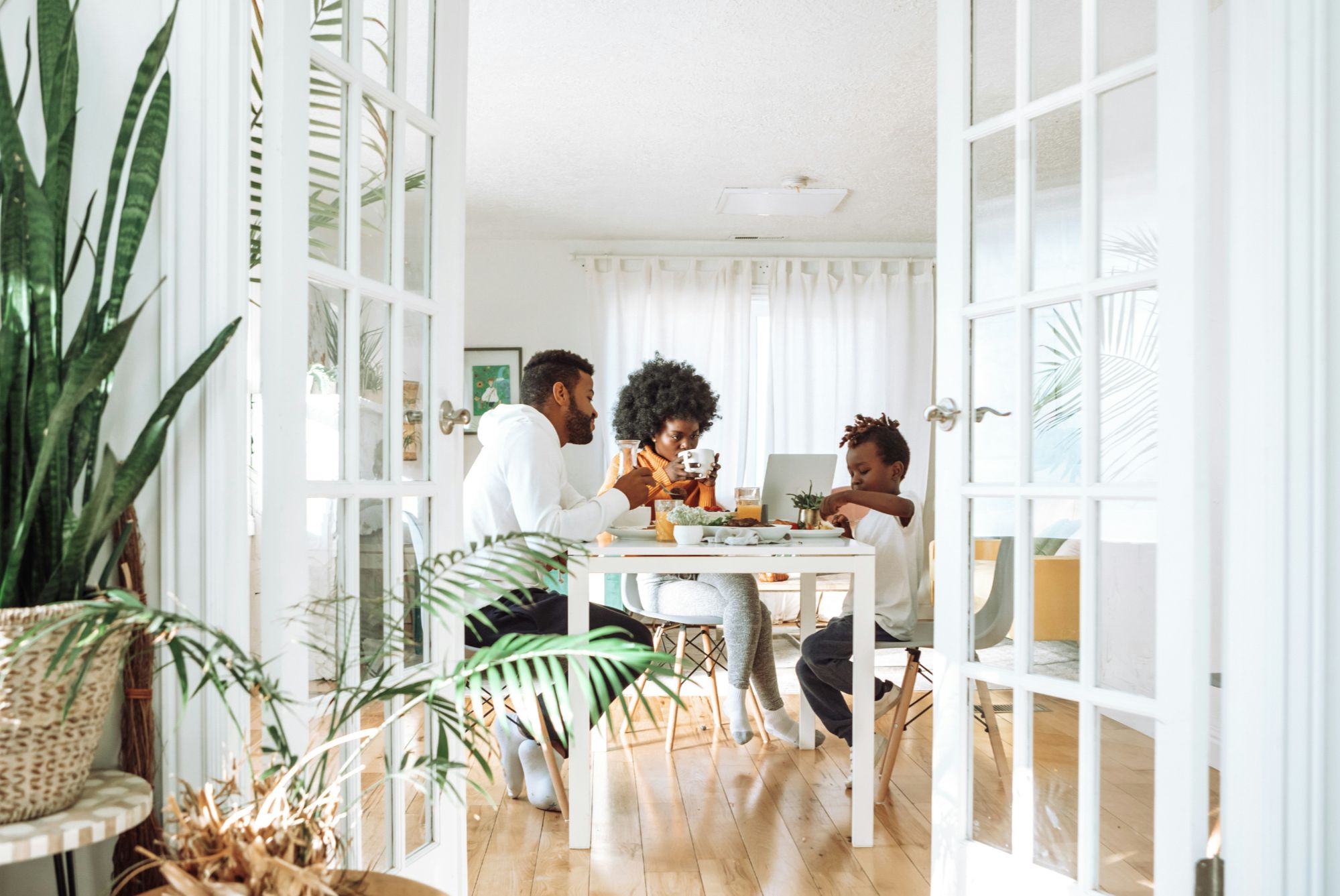
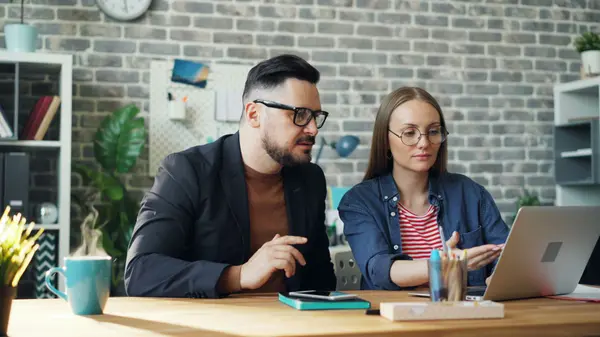
Think about how our homes have changed over the last decade. Rooms that once served a single purpose now wear several hats throughout the day. A guest bedroom becomes a Zoom room during the week and a place for visiting family on the weekends. A dining room transforms into a homework station every afternoon before returning to its original purpose by evening.
Our homes haven't necessarily gotten larger.
They've become smarter.
Home Is Working Harder Than Ever Before
There was a time when home and work existed in separate worlds.
You left one to go to the other.
That line has become increasingly blurred.
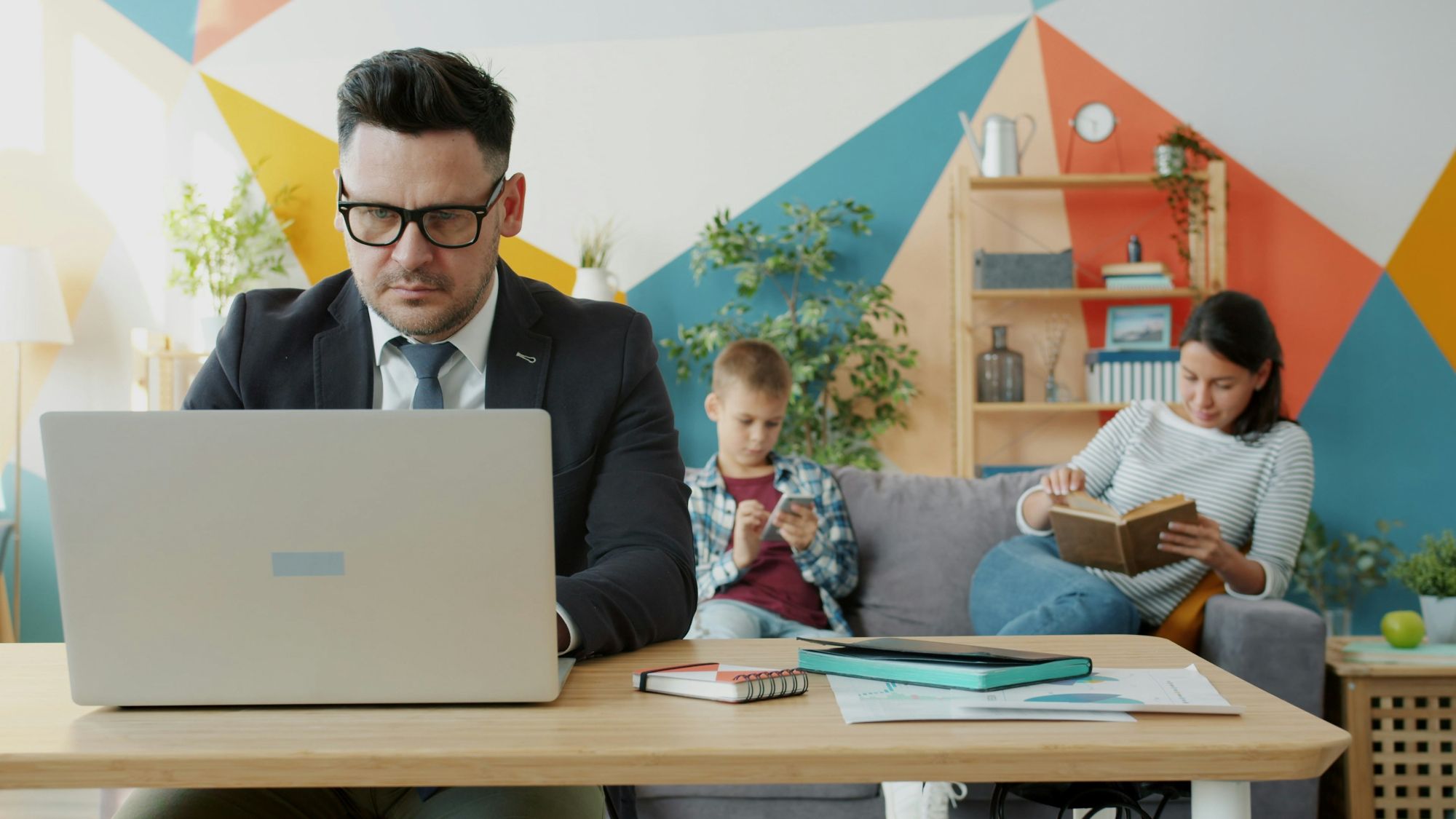
Today, a single home might function as an office, classroom, gym, entertainment space, guest suite, and retreat—all within the same week. Even buyers who don't work remotely often want a dedicated area where they can pay bills, organize family schedules, pursue hobbies, or simply enjoy a little quiet.
That's why buyers continue asking about flex spaces instead of formal rooms with a single purpose.
They're planning for a lifestyle rather than a floor plan.
It's one of the biggest shifts we've seen in residential real estate.
The Rise of the Flex Room
One of the fastest-growing trends in home design isn't actually a specific room.
It's the idea that every room should have options.
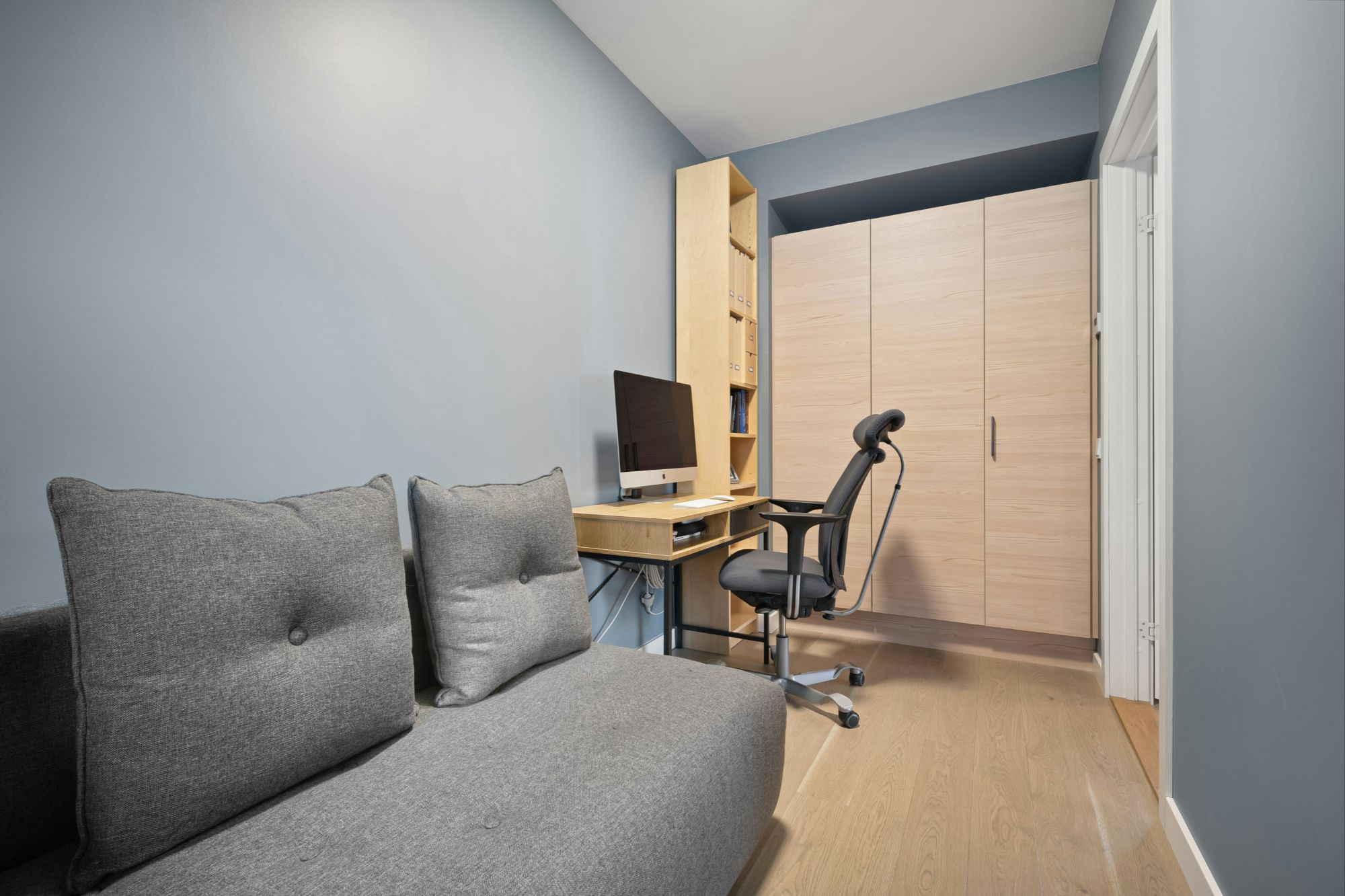
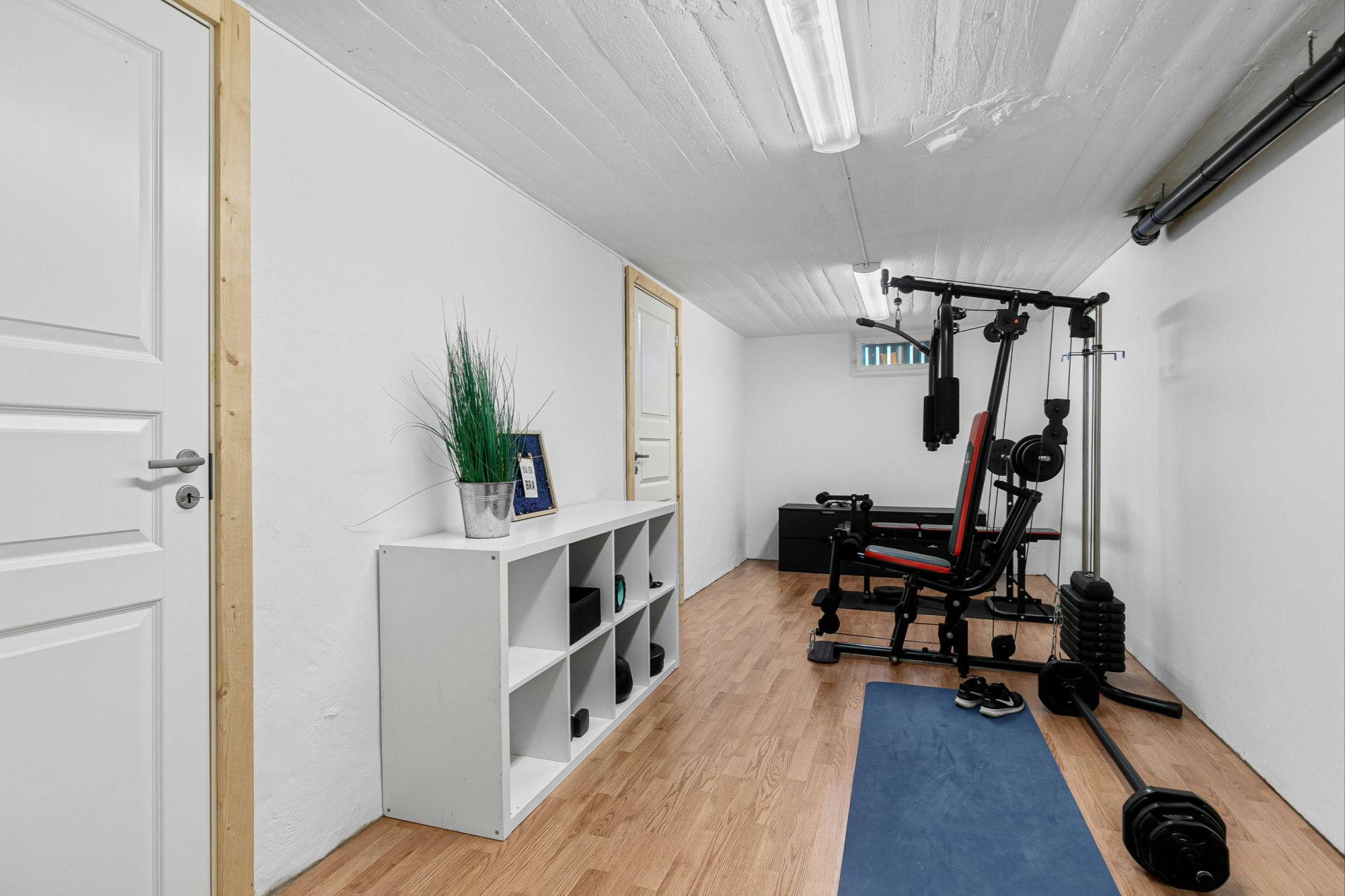
Builders are designing homes with bonus rooms instead of formal living rooms. Homeowners are converting unused dining rooms into libraries, music rooms, podcast studios, craft spaces, and home gyms. Finished basements have become media rooms one year and guest suites the next.
That's not a design trend.
It's a reflection of modern life.
People don't want homes that lock them into one lifestyle.
They want homes that evolve alongside them.
A young couple might use the room as an office today.
Five years later, it becomes a nursery.
Ten years after that, it's a homework room.
Eventually, it becomes a hobby space or a guest suite for visiting grandchildren.
The room didn't change.
Life did.
Buyers Are Investing in Lifestyle
When buyers walk through a home today, they're imagining much more than where they'll place the couch.
They're imagining Saturday mornings.
Holiday dinners.
Remote meetings.
Birthday parties.
Workout routines.
Movie nights.
Family visits.
Quiet evenings with a good book.
The best homes don't simply provide shelter.
They support the life someone wants to build.
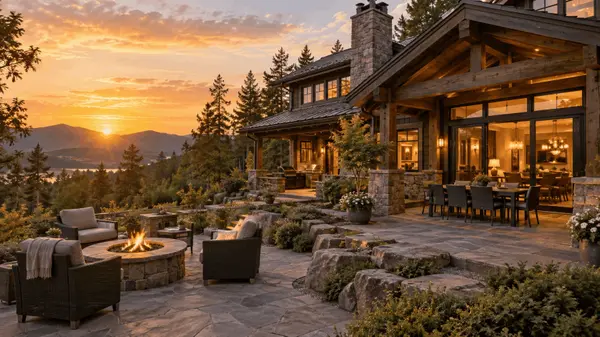
That's why outdoor living continues to grow in popularity. Covered patios, fire pits, screened porches, and outdoor kitchens have become extensions of the home rather than occasional gathering places. The same philosophy applies inside. Buyers are looking for spaces that create experiences rather than simply filling square footage.
Perhaps that's why the phrase "dream home" means something different today than it did twenty years ago.
The dream isn't necessarily a larger house.
It's a house that works better.
What This Means for Buyers and Sellers
Whether you're buying your first home or preparing to sell your current one, it's worth thinking differently about space.
Instead of asking whether a room has one specific purpose, ask how many different purposes it could serve over the next decade.
Could it become an office?
A playroom?
A guest suite?
A home library?
A fitness room?
A creative studio?
Flexibility has become one of the most valuable features in residential real estate because it gives future owners the freedom to adapt without moving.
For sellers, that means presenting these spaces with imagination rather than labels. A room doesn't have to be called a home office to help buyers envision working from home.
Sometimes the greatest value comes from letting buyers see the possibilities for themselves.
Final Thoughts
Real estate has always evolved alongside the way people live.
Open floor plans replaced compartmentalized homes.
Outdoor living became just as important as indoor living.
Now we're seeing another shift.
People aren't simply buying more square footage.
They're buying adaptability.
They're looking for homes that can grow with their families, careers, hobbies, and future plans without forcing them to move every time life changes.
So the next time someone says they're looking for a home office, it may be worth asking one more question.
"What do you really want that room to do for you?"
More often than not, the answer has very little to do with a desk.
It has everything to do with building a home that works for the life they want to live.
Categories
Recent Posts

GET MORE INFORMATION