7 Home Upgrades That Actually Add Value (Not Just Cost You Money)
Most Home Improvements Don’t Increase Value the Way People Think
A lot of homeowners assume that if they spend money on the house, the value automatically goes up.
That’s not really how buyers think.
Some upgrades absolutely improve value, marketability, and buyer perception. Others simply become expensive personal preferences that never fully translate when it’s time to sell.
The homes that tend to perform best are usually not the ones with the most money poured into them. They’re the ones that feel updated, intentional, clean, and easy for a buyer to step into emotionally.
That’s a very different thing.
1. Kitchens Still Carry More Weight Than Almost Anything Else
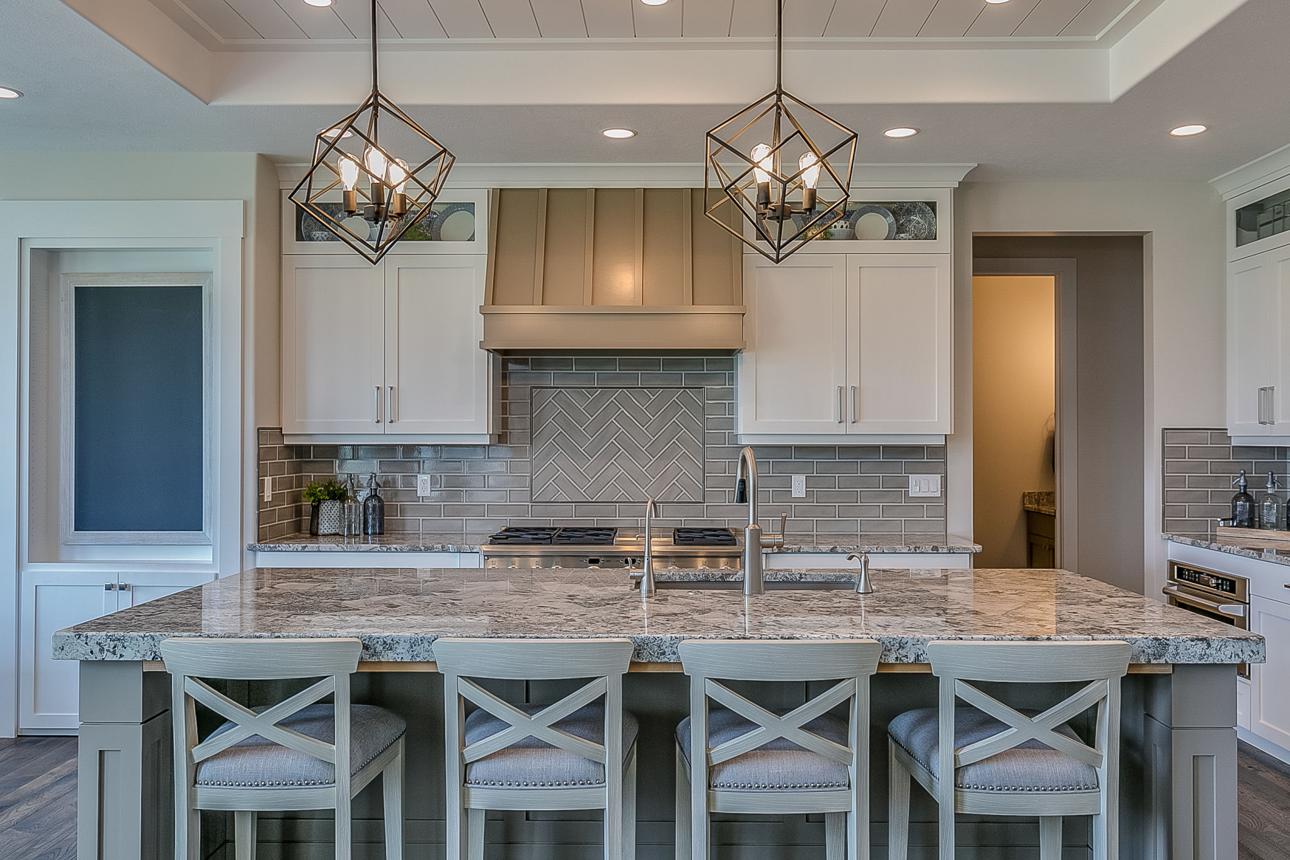
You do not need a six-figure kitchen renovation to make an impact.
In most homes, buyers are simply looking for a kitchen that feels current, functional, and well maintained.
The upgrades that consistently help:
- Updated countertops
- Fresh cabinet paint or modern cabinetry
- Better lighting
- Clean hardware and fixtures
- Consistent finishes
What usually doesn’t return the investment:
- Extremely custom layouts
- Ultra-high-end appliances in mid-range homes
- Trend-heavy finishes that age quickly
A clean, timeless kitchen almost always performs better than an overbuilt one.
2. Bathrooms Matter More Than Their Size
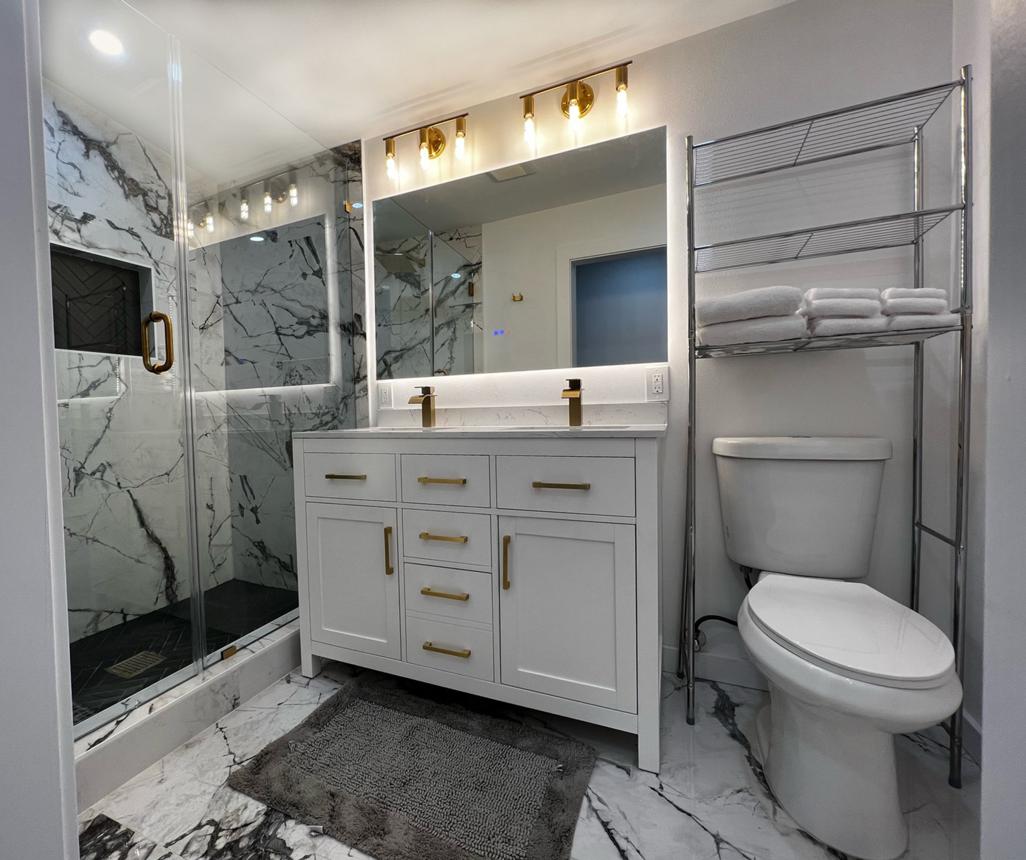
Buyers pay attention to bathrooms almost immediately.
And the interesting part is that the space usually doesn’t need a full renovation to feel significantly better.
Simple changes can completely shift perception:
- Updated mirrors
- Modern lighting
- New fixtures
- Fresh paint
- Clean tile work
- Frameless glass or improved shower presentation
When bathrooms feel dated, buyers often assume deferred maintenance exists elsewhere too—even if it doesn’t.
3. Curb Appeal Quietly Sets the Tone for the Entire Showing
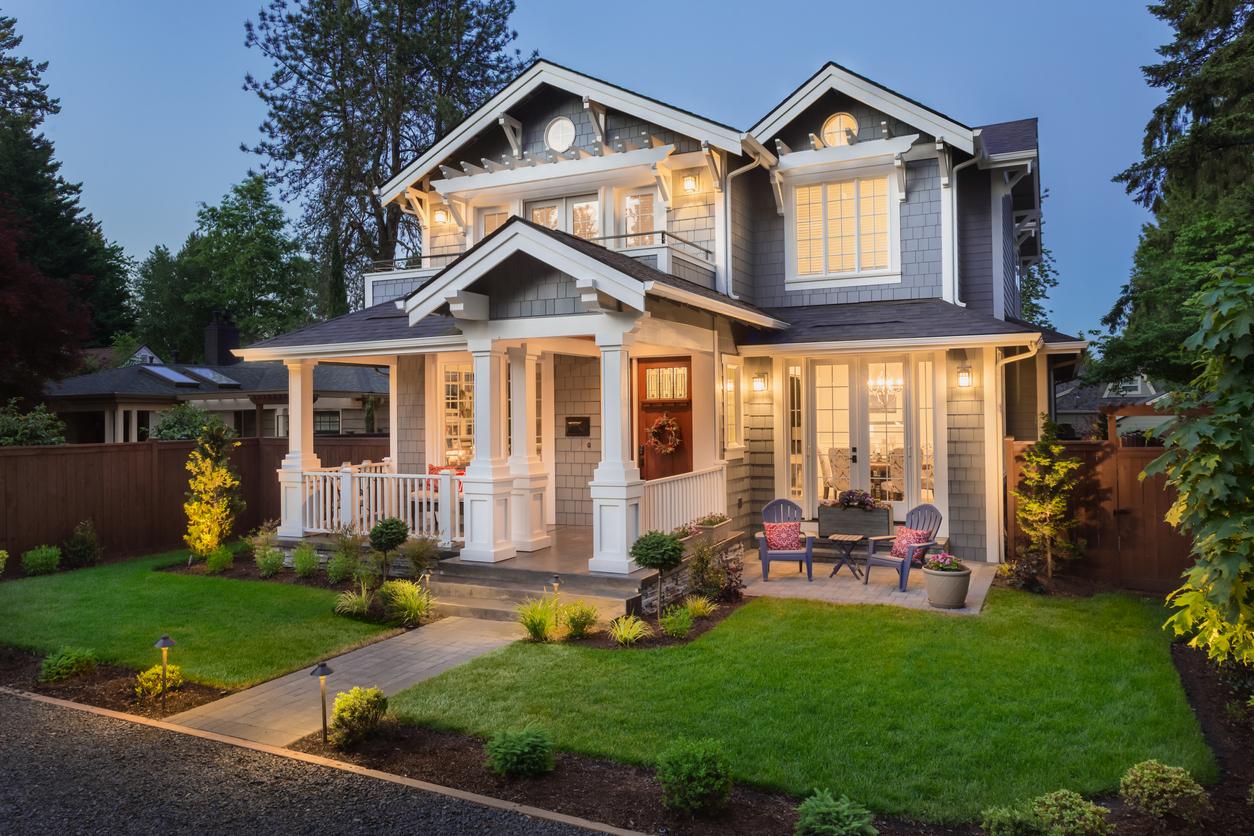
Most buyers begin forming opinions before they ever walk through the front door.
That first impression matters more than people think.
Simple improvements usually outperform expensive ones here:
- Fresh mulch
- Trimmed landscaping
- Pressure washing
- Updated lighting
- Clean walkways
- A freshly painted front door
A house that looks cared for immediately feels more valuable.
And once that perception is established, buyers tend to view the rest of the home through a more favorable lens.
4. Flooring Impacts the Entire Feel of a Home

Flooring affects how almost every room feels.
One of the biggest mistakes homeowners make is upgrading rooms individually over time with different materials, colors, or styles. Even when each upgrade looks good on its own, the house can start to feel disconnected.
Consistency matters.
Neutral tones, durable materials, and continuity throughout the home almost always age better and appeal to a wider group of buyers.
Luxury isn’t always the goal.
Cohesion is.
5. Storage Has Become a Major Selling Point

Storage rarely shows up as the headline feature in a listing.
But buyers absolutely notice it in person.
A home that feels organized tends to feel larger, calmer, and more functional.
Simple improvements like:
- Closet systems
- Pantry organization
- Garage storage
- Built-in shelving
can make everyday living feel easier without requiring major renovation work.
And that emotional response matters.
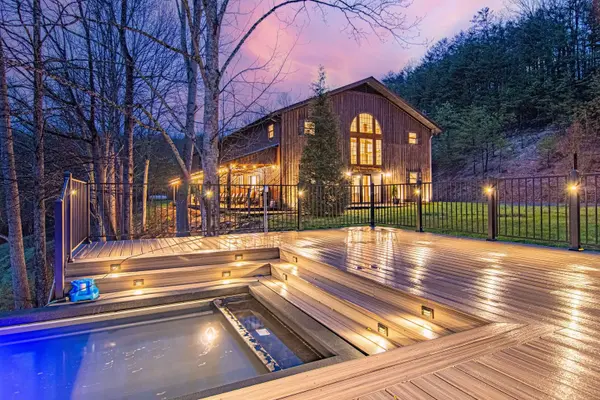
6. Outdoor Space Has Become Part of the Living Area

Especially throughout the Southeast, outdoor space has become increasingly important.
Buyers are not just looking at square footage anymore. They’re looking at how the property lives.
Simple outdoor upgrades often go a long way:
- Defined seating areas
- Deck improvements
- Fire pits
- Lighting
- Landscaping
- Privacy enhancements
The goal is not necessarily to create something extravagant.
It’s to create a space people can immediately picture themselves using.
7. Paint Still Produces One of the Highest Returns

Paint remains one of the simplest ways to completely change how a home feels.
Neutral, warm, modern colors tend to:
- Make rooms feel brighter
- Photograph better
- Appeal to a broader audience
- Help spaces feel cleaner and more updated
And compared to most renovations, the cost is relatively low for the impact it creates.
It’s one of the few upgrades that consistently improves both presentation and perception at the same time.
What This Really Comes Down To

The goal is not to spend the most money.
It’s to make the home feel more complete, more intentional, and easier for the next buyer to connect with emotionally.
That’s usually where value is created.
Not through random upgrades—but through thoughtful improvements that improve how the home feels as a whole.
Before making any major improvement, it’s worth asking one simple question:
“Will a buyer actually value this—or do I just personally like it?”
Categories
Recent Posts








GET MORE INFORMATION